The Art of Glass Packaging: Enhancing Your Brand With Premium Glass Bottles
The craft of glass packaging presents brands with a unique avenue for differentiation. By embracing sustainable methods, glass bottles elevate brand aesthetics and connect with sustainability-minded shoppers. Their inherent qualities, such as recyclability and chemical inertness, demonstrate a steadfast commitment to excellence. As brands navigate this evolving landscape, understanding the multifaceted benefits and challenges of glass packaging becomes essential for long-term success. What forward-thinking methods are companies adopting to fully harness these opportunities?
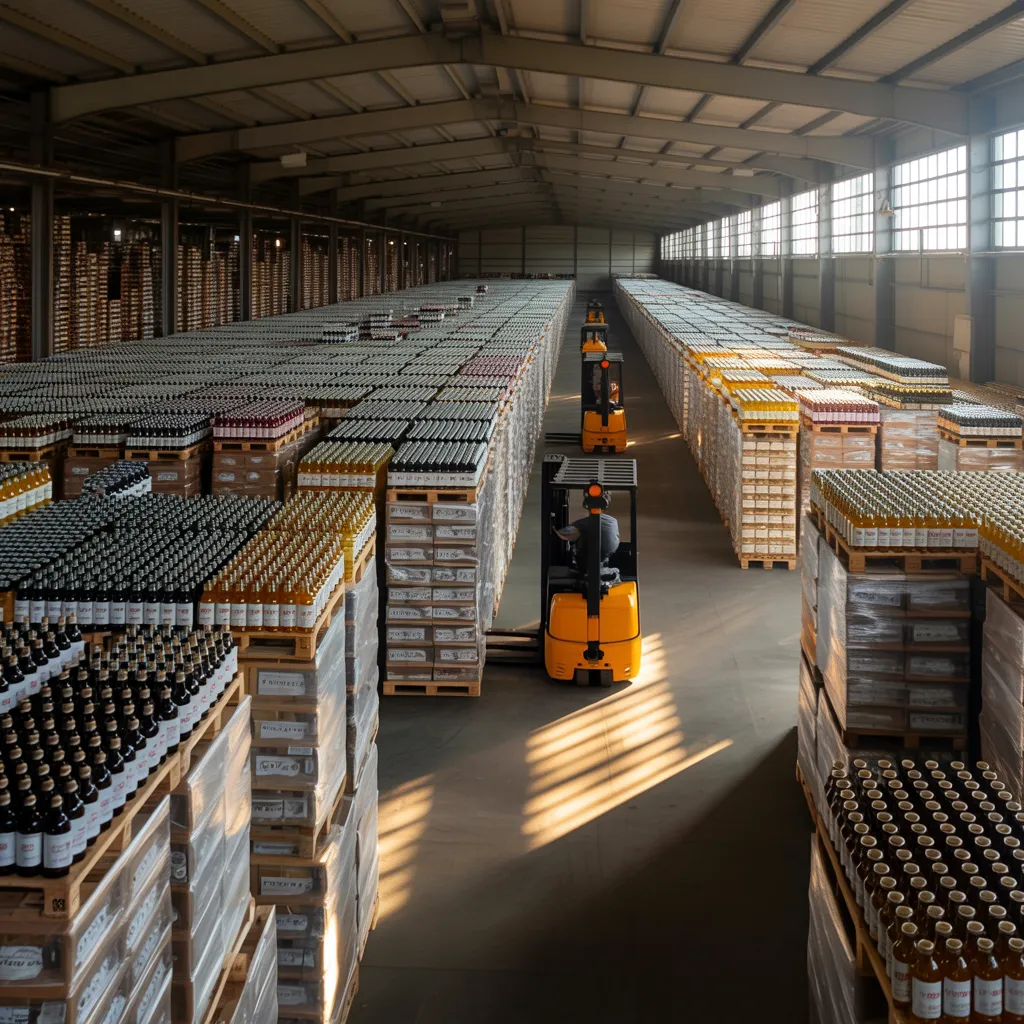
Why Choose Glass Packaging for Your Brand
Selecting glass as a packaging material can greatly enhance a brand's overall perception and environmental initiatives. Companies that choose glass packaging demonstrate a pledge to superior standards and exceptional product encounters, attracting selective buyers who value both visual and practical qualities. Glass delivers a enduring and sophisticated look, strengthening a brand's visual presence while offering a tactile experience that no alternative material can equal.
Moreover, glass packaging conveys an impression of wholesomeness and reliability, as it is free from hazardous ingredients typically contained in plastics. This option can draw in environmentally conscious consumers who connect glass with ethical choices. Moreover, its resilience permits repeated utilization, thereby strengthening a brand's commitment to eco-friendly practices.
In an industry placing greater emphasis on ecological responsibility, adopting glass packaging can differentiate a brand building lasting loyalty and boosting customer confidence. In the end, this deliberate decision establishes brands as frontrunners in quality and environmental responsibility, resonating with contemporary consumer expectations.
The Eco-Friendly Advantages of Glass Bottles
Glass containers provide substantial environmental benefits that distinguish them from competing packaging solutions. Glass bottles are 100% recyclable, promoting a circular economy where materials can be reused indefinitely without degradation in quality. This characteristic greatly reduces the demand for virgin materials, thus reducing natural resource extraction and energy expenditure associated with the production process.
Furthermore, glass packaging is inert, meaning it does not leach dangerous compounds into its contents, ensuring healthier consumption. In contrast to plastic, glass does not promote microplastic pollution, which is a growing environmental problem.
The production of glass bottles similarly results in reduced greenhouse gas emissions in comparison to plastic. Thanks to innovations in manufacturing processes, energy efficiency has improved, further reducing the carbon footprint linked to glass production.
Creative Designs That Elevate Glass Packaging
Innovative patterns in glass containers are revolutionizing how consumers view products. Unique shapes and structures not only boost practicality but also capture buyer interest. Furthermore, vibrant color schemes further elevate the aesthetic appeal, making glass vessels stand out on shelves.
One-of-a-Kind Shapes and Structures
Innovative approaches in glass packaging not only enhance aesthetic appeal but also act as a key factor in establishing brand uniqueness. Distinctive forms and designs can craft remarkable experiences for buyers, allowing products to rise above the competition on crowded shelves. For instance, irregularly shaped bottles or angular designs can generate fascination and stimulate consumer interest. These original shapes often reflect a brand's personality, solidifying its brand narrative and ideals. Beyond that, original designs can boost practicality, including better grip or improved dispensing. Brands that invest in creative glass designs convey a devotion to craftsmanship and eco-consciousness, appealing to sustainability-minded customers. By prioritizing originality in their packaging, brands can cultivate more meaningful relationships with consumers, thereby boosting brand loyalty and expanding market visibility.
Attention-Grabbing Color Palettes
Rich color combinations serve a vital function in elevating glass packaging design, transforming ordinary bottles into enchanting visual statements. Through the thoughtful application of carefully selected colors, brands can evoke emotions and create memorable experiences for consumers. Striking colors can indicate superior craftsmanship, as more subdued tones often suggest grace and distinction.
Moreover, the use of gradient and multi-tone aesthetics brings depth and sophistication, drawing attention on crowded shelves. Eco-conscious practices additionally boost the appeal; sustainable dyes and finishes appeal to environmentally aware consumers. In the end, the right color palette not only reflects a brand's identity but also reinforces its commitment to sustainability, establishing glass packaging as an influential instrument for standing out in a competitive market.
How Does Glass Packaging Enhance Product Perception?
Glass packaging significantly elevates product perception via its upscale feel and visual appeal, evoking a feeling of luxury among consumers. The visual transparency and clarity of glass allow for an unobstructed view of the product, strengthening the perception of quality. Furthermore, glass packaging supports environmentally responsible brand values, attracting consumers who prioritize environmental responsibility.
Outstanding Feel And Appeal
The incorporation of glass packaging considerably boosts the apparent worth of a product, frequently linking it to quality and sophistication. Buyers commonly connect glass with luxury, contributing to stronger brand dedication and rewarding buyer experiences. The physical feel of glass, with its refined surface and heft, establishes a high-end impression that plastic fails to reproduce. This tactile interaction builds a relationship between the product and the consumer, fostering a perception of excellence. Furthermore, glass packaging conveys a commitment to sustainability, resonating with eco-aware consumers. As a result, businesses employing glass containers can establish themselves as higher-end alternatives within their markets, appealing to thoughtful consumers who value both aesthetics and ethical considerations in their purchasing decisions.
Visual Transparency And Clarity
When consumers encounter products in glass vessels, their impression is frequently elevated by the intrinsic visual see-through quality it delivers. This transparency allows potential buyers to see the product inside, building a feeling of confidence and genuineness. The see-through nature of glass not only reveals the product's caliber but also accentuates its color and feel, elevating the overall visual experience. Moreover, the removal of labeling interference on clear glass enables the product to stand at the forefront, producing a more captivating retail encounter. Glass vessels can uplift brand standing by expressing a devotion to quality and skill. This see-through quality ultimately guides customer determinations, encouraging a deeper emotional connection with the product and the brand.
Green Brand Positioning
Environmentally aware brands utilize glass materials to strengthen their dedication to eco-friendly practices, successfully elevating how products are perceived. Glass communicates an impression of quality and refinement, setting a higher standard compared to plastic alternatives. This substance not only underscores the green values of a brand but also resonates with shoppers who value eco-conscious decisions. The sensory quality of glass—its density and surface—further amplifies the perceived premium nature of the product. Moreover, the ability to recycle glass resonates with the rising consumer expectation for eco-friendly practices, cultivating customer loyalty. By opting for glass, brands not only demonstrate their commitment to ecological responsibility but also establish their products as high-end choices, thus building a favorable reputation in a crowded market.
How Brands Are Winning With Glass Packaging
Many companies are succeeding by transitioning to glass packaging, highlighting its attractiveness to buyers and pledge to sustainable practices. To illustrate, a leading beverage company transitioned to glass bottles, leading to a 30% rise in sales within a year. The change not only improved product visibility on shelves but also resonated with eco-conscious consumers, reinforcing the brand's sustainability message.
Another beauty label successfully changed to glass vessels, significantly enhancing its upscale appeal. This change attracted a committed following that values both visual appeal and eco-conscious practices. Moreover, a craft beer producer adopted reusable glass growlers, cultivating consumer trust and decreasing environmental impact. These examples demonstrate that glass packaging not only meets customer expectations for sustainable options but also strengthens brand value and industry presence. Such thoughtful selections highlight an emerging pattern among businesses striving to integrate eco-friendly values into their processes while resonating with contemporary buyers.
Ways to Tackle Challenges in Glass Packaging
Managing the challenges of glass packaging necessitates innovative strategies and a deep understanding of the market. Businesses often face issues such as high production costs, heavy material considerations, and breakability. To overcome these, organizations can implement advanced manufacturing techniques that lower waste output and boost structural resilience. Collaborating with suppliers to obtain sustainable resources also minimizes ecological footprint while appealing to eco-aware consumers.
A further difficulty involves transportation logistics, considering the substantial weight of glass. Utilizing advanced logistics approaches, including optimized shipping methods and packaging designs, can help minimize costs and guarantee product safety during transit. Additionally, raising consumer awareness regarding glass's superiority over plastic can foster brand loyalty and drive demand. By embracing these strategies, organizations can address hurdles in glass packaging and distinguish themselves as innovators in eco-friendly practices, ultimately enhancing their brand image and market presence.
Future Trends in Sustainable Glass Packaging
As the need for eco-friendly packaging keeps growing, the glass packaging industry is poised for transformative changes. Advancements in production methods are anticipated to improve energy performance, lowering the environmental impact linked to glass manufacturing. Additionally, the integration of lightweight glass bottles will establish itself as a major trend, decreasing transportation emissions while maintaining product integrity.
Recycling efforts will continue to strengthen, with greater cooperation between producers and local governments to improve glass collection and processing. Additionally, the integration of smart technology detailed article into packaging will facilitate improved clarity throughout the supply chain, allowing businesses to demonstrate their green initiatives with greater effectiveness.
Growing consumer demand for sustainable products will further accelerate the creation of customizable, aesthetically pleasing designs, marrying functionality with visual appeal. As brands prioritize sustainability, the glass packaging industry is poised to transform its strategies, aligning with broader environmental goals and meeting the expectations of a conscientious consumer base.
Commonly Asked Questions
What Are the Financial Differences Between Glass Packaging and Plastic?
Glass-based packaging generally incurs greater expenses as a result of production, transportation, and recycling processes when compared to plastic alternatives. Nevertheless, it provides environmental advantages and improved brand image, making it a worthwhile investment for certain companies.
How Do I Customize Glass Bottles for My Brand?
Brands have the ability to tailor glass containers by using unique shapes, colors, and finishes. Custom labels, engravings, and printed artwork elevate brand identity. Working alongside manufacturers ensures consistency with sustainability goals while maintaining both appearance and performance.
Do Specific Regulations Exist for Glass Packaging?
Yes, specific regulations for glass packaging exist, distinct to each region. Such regulations encompass safety standards, labeling requirements, and recycling guidelines, safeguarding consumer safety and environmental responsibility while encouraging sustainable practices in packaging manufacturing and distribution.
What Are the Top Best Practices for Recycling Glass Bottles?
To recycle glass bottles effectively, individuals should wash them thoroughly to clear out any remaining contents, remove lids, and sort by color. In addition, they should check local guidelines for specific recycling protocols and drop-off locations to ensure correct handling and processing.
What Is the Effect of Glass Packaging on Shipping and Logistics?
Glass packaging notably influences the shipping and logistics process by increasing weight and fragility, demanding meticulous handling and dedicated transportation methods. This may result in elevated costs and more intricate supply chain management when compared to lighter and more resilient materials.
Comments on “glass bottle manufacturers options”